AI in Business
AI Agents in the Enterprise: What Lies Behind the Hype
"Agentic AI" is the buzzword of the hour. What an AI agent actually is, where it provides value today — and why Gartner predicts that over 40% of agent projects will fail.
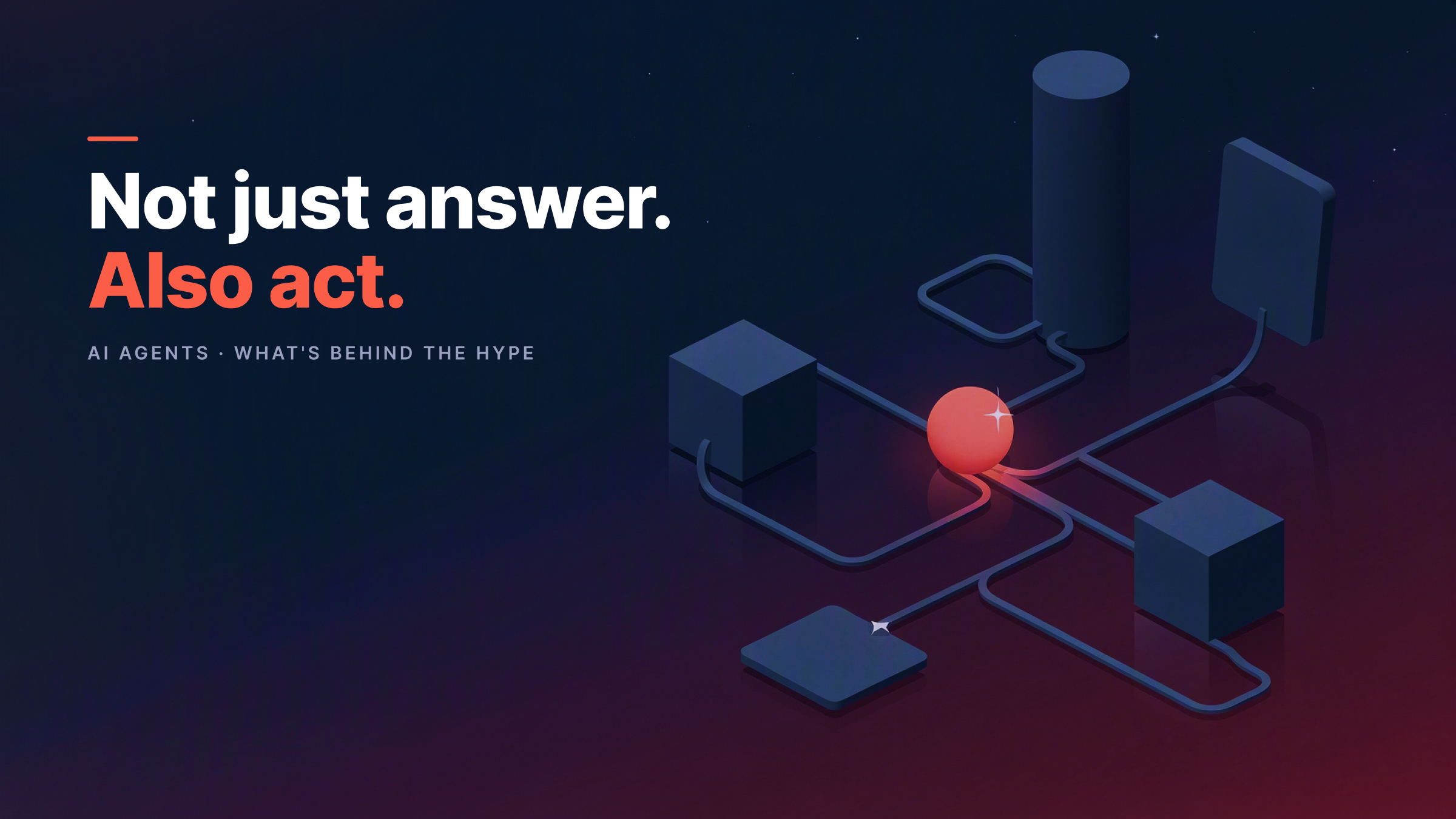
Hardly any term is mentioned as often in 2026 as "AI agent." Behind it lies genuine progress—and a great deal of marketing. It is time to separate the two.
What an AI agent is — and what it is not
IBM defines an AI agent as
"a system or program that is capable of autonomously performing tasks on behalf of a user or another system by designing its workflow and using available tools."
The difference from the usual chatbot lies in three characteristics:Autonomy(the agent plans and acts independently, instead of just responding),Tool use(he calls them via "function calling" APIs, data sources, or web search) andMulti-stage nature / Multi-level structure(he breaks a goal down into partial steps and works through them). The short formula: An assistantanswers, an agentDone. The step from the solidautomated workflow...about the agent is that the agent plans the steps itself.
The reality check
As great as the promise, so sobering is the data.McKinseyreports that for 2025, while 23% of organizations are scaling an agent system and 39% are experimenting, no more than around 10% are productive in any single business function. In the German SME sector, according to Bitkom, while 36% of companies use AI, only about 10% of those use AI agents.
Even more apparent becomesGardenerOver 40% of agentic AI projects will be discontinued by the end of 2027—due to excessive costs, unclear business value, or insufficient risk controls. Analyst Anushree Verma provides an assessment of the current state of affairs:
„Die meisten agentischen KI-Projekte sind derzeit Experimente im Frühstadium oder Proof-of-Concepts, die größtenteils vom Hype getrieben werden und oft falsch angewendet werden.“
Gartner also warns against "agent washing": many products marketed as "agentic" are simply rebranded chatbots or RPA tools. Out of thousands of providers, Gartner considers only around 130 to be genuine agent providers. For medium-sized businesses, this means: vet the providers and do not trust the label.
Where agents are already providing value today
Realistically—and usually with a human making the critical decision—these are the use cases:
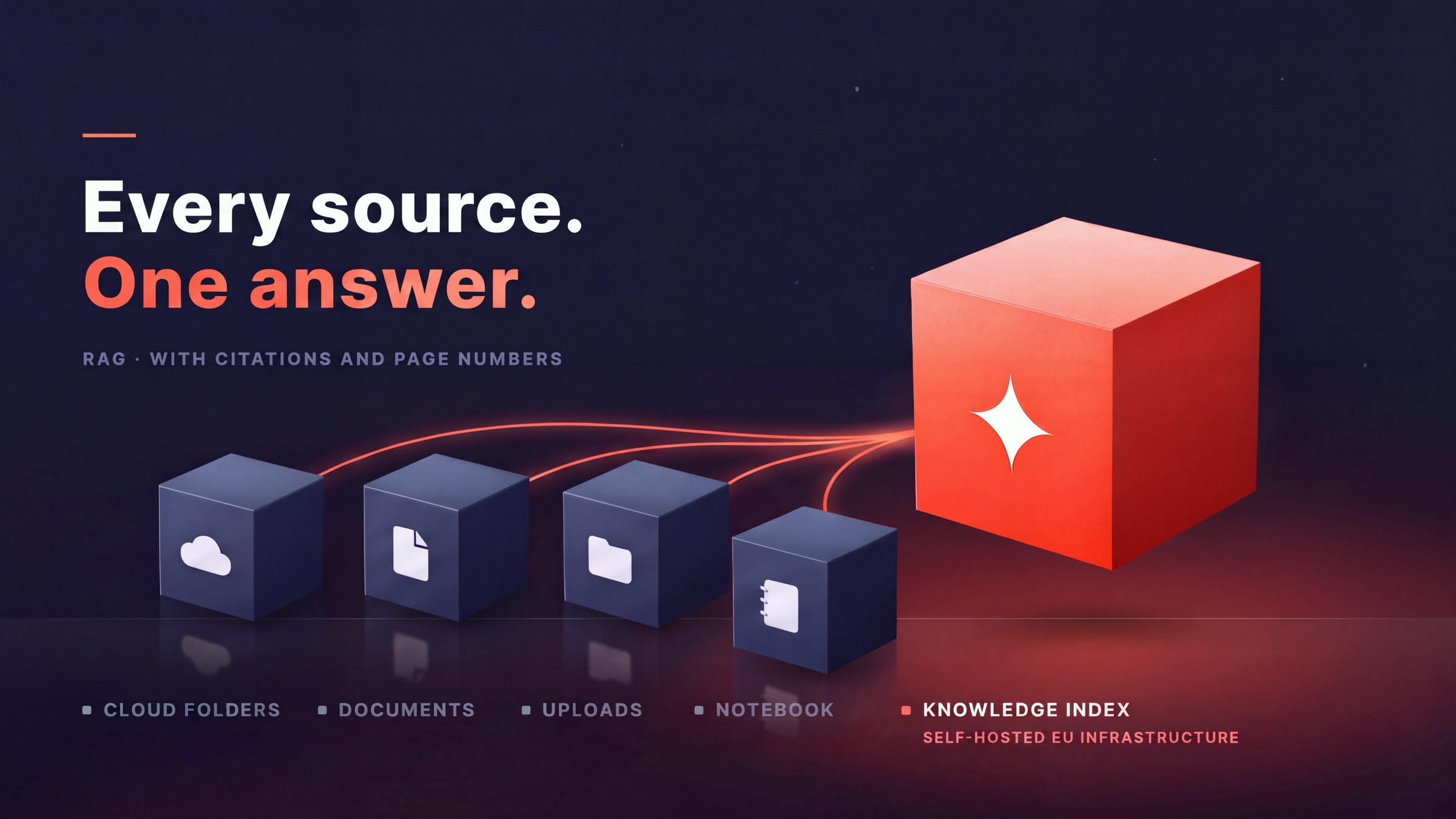
Research Agent— searches internal documents and the web, summarizes, and provides evidenced answers with sources.
Ticket Triage— classifies and prioritizes support requests and prepares draft responses; final approval remains with the team.
Data Analysis — evaluates tables, calculates key figures, and generates diagrams instead of manual Excel work.
Document Pre-processing — extracts data from invoices and contracts; a human confirms before booking.
Autonomy Requires Control
An agent that acts independently and calls external tools often processes personal data over several steps. This requires traceability, purpose limitation, data minimization — and a "Human in the Loop" at critical points. GDPR and the AI Act also apply to agents.
Conclusion
AI agents are not a hype without substance — but they are also not turnkey autonomy. The pragmatic path for medium-sized businesses: start with clearly defined, value-adding tasks, with human control and on a platform that provides traceability and data protection. The framework for this is described in our Guide to the AI Platform for Medium-Sized Businesses.

GDPR-compliant AI from a real German data center
Kasimir runs on its own infrastructure in Germany — no detour via US providers, no CLOUD Act reach.